Probe Creation in BEOS Profiling
BEOS प्रोफाइलिंग में प्रोब निर्माण
From classifying the crime to writing nestled probes — a training course for examiners, investigating officers, forensic students and counsel.
अपराध के वर्गीकरण से नेस्टल्ड प्रोब लिखने तक — परीक्षकों, जाँच अधिकारियों, फोरेंसिक विद्यार्थियों और अधिवक्ताओं के लिए प्रशिक्षण पाठ्यक्रम।
Six modules, one pipeline: from the crime to the probe
छह मॉड्यूल, एक पाइपलाइन: अपराध से प्रोब तक
Swipe or use the arrow keys to move. Each module ends with a knowledge check; Module 6 holds the hands-on exercises. Switch language or dark mode at the bottom right.
आगे बढ़ने के लिए स्वाइप करें या तीर कुंजियाँ दबाएँ। हर मॉड्यूल के अंत में ज्ञान जाँच है; मॉड्यूल 6 में व्यावहारिक अभ्यास हैं। भाषा या डार्क मोड नीचे दाईं ओर बदलें।
Types of crime
अपराध के प्रकार
Physical harm and financial harm under the Bharatiya Nyaya Sanhita, 2023 — and why the legal label is not what the brain stores.
भारतीय न्याय संहिता, 2023 के अंतर्गत शारीरिक और वित्तीय क्षति — और विधिक लेबल वह क्यों नहीं है जो मस्तिष्क संग्रहीत करता है।
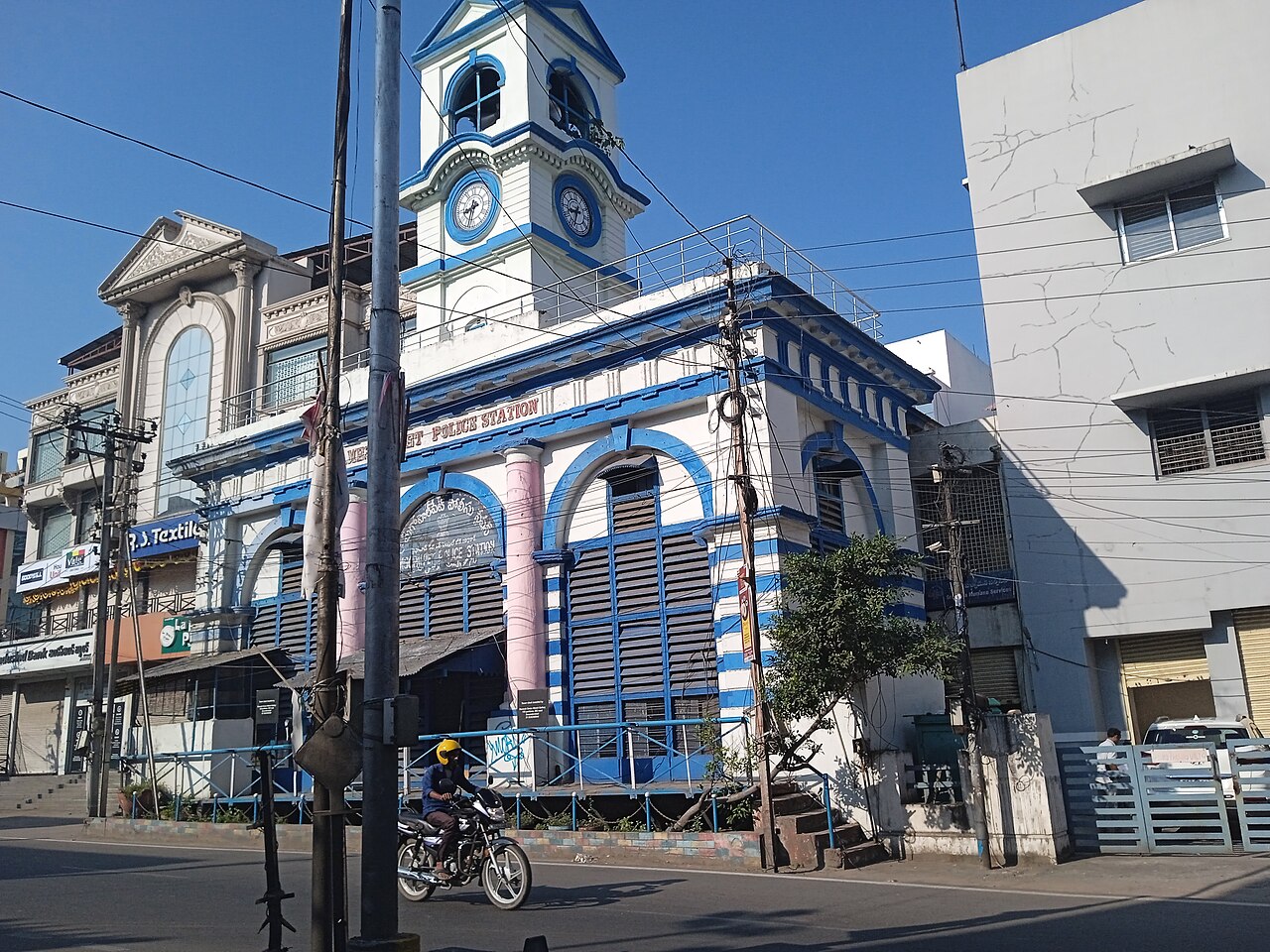
What is a crime?
अपराध क्या है?
A crime is an act or omission that the law of a place, at a given time, forbids and punishes. Nothing is a crime in itself — it becomes one when a society writes it into law.
अपराध वह कृत्य या चूक है जिसे किसी स्थान का क़ानून, किसी समय, निषिद्ध करता है और दंडित करता है। कोई कृत्य अपने आप में अपराध नहीं — समाज उसे क़ानून में लिखकर अपराध बनाता है।
BNS 2023 s.2(24): "OFFENCE" MEANS A THING MADE PUNISHABLE BY THIS SANHITA OR ANY OTHER LAW
Striking a person is an act; a doctor who withholds care may offend by omission. The law names both.
किसी पर प्रहार कृत्य है; उपचार रोकने वाला चिकित्सक चूक से अपराध कर सकता है। क़ानून दोनों को नामित करता है।
Intention, knowledge, recklessness or negligence — mens rea decides whether a death is murder, culpable homicide or an accident.
आशय, ज्ञान, लापरवाही — mens rea तय करता है कि मृत्यु हत्या है, मानव-वध है या दुर्घटना।
No crime without a law: nullum crimen sine lege. The section, not the moral outrage, makes the act punishable.
बिना क़ानून अपराध नहीं: nullum crimen sine lege. धारा, नैतिक आक्रोश नहीं, कृत्य को दंडनीय बनाती है।
A tort wrongs one person and is settled in damages; a crime is treated as a wrong against society — the State prosecutes.
अपकृत्य एक व्यक्ति का नुक़सान है, हर्जाने से निपटता है; अपराध समाज के विरुद्ध माना जाता है — राज्य अभियोजन करता है।
For the probe designer this matters: the brain stores the act and its context, not the section number. We begin with the act; the label comes last.
प्रोब-डिज़ाइनर के लिए यह महत्वपूर्ण है: मस्तिष्क कृत्य और उसका संदर्भ संग्रहीत करता है, धारा-संख्या नहीं। हम कृत्य से शुरू करते हैं; लेबल अंत में आता है।
The same act is a crime in one place and lawful in another
एक ही कृत्य एक स्थान पर अपराध, दूसरे पर वैध
The same act is a crime in one place and lawful in another
एक ही कृत्य एक स्थान पर अपराध, दूसरे पर वैध
The brain of the person who did these things holds the same memory on either side of the border. That is why BEOS probes describe the act — "I poured the drink", "I counted the notes" — and never its legal label.
इन कृत्यों को करने वाले के मस्तिष्क में सीमा के दोनों ओर वही स्मृति है। इसीलिए BEOS प्रोब कृत्य का वर्णन करती हैं — "मैंने पेय उड़ेला", "मैंने नोट गिने" — उसका विधिक लेबल कभी नहीं।
Two broad categories of harm
क्षति की दो व्यापक श्रेणियाँ
Physical harm
शारीरिक क्षति
Harm to the body — hurt, grievous hurt, sexual violence, death. Temporary, lasting, permanent, irreversible.
शरीर को क्षति — चोट, गंभीर चोट, यौन हिंसा, मृत्यु। अस्थायी, दीर्घकालिक, स्थायी, अपरिवर्तनीय।
Financial harm
वित्तीय क्षति
Harm to property and trust — theft, extortion, breach of trust, cheating, forgery. Taken by force, by betrayal, or by deception.
संपत्ति और विश्वास को क्षति — चोरी, जबरन वसूली, विश्वासघात, धोखाधड़ी, जालसाज़ी। बल से, विश्वास-भंग से, या छल से।
Most serious cases combine both: robbery is theft plus violence, and a killing for cash begins as a financial motive. Classify the harm first — motive, act and probe sequence follow from it.
अधिकांश गंभीर मामले दोनों को जोड़ते हैं: लूट = चोरी + हिंसा; नकदी के लिए हत्या वित्तीय उद्देश्य से शुरू होती है। पहले क्षति को वर्गीकृत करें — उद्देश्य, कृत्य और प्रोब-क्रम उसी से निकलते हैं।
Physical harm: from temporary to permanent
शारीरिक क्षति: अस्थायी से स्थायी तक
Hurt
चोट
Bodily pain, disease or infirmity. Heals; up to one year.
शारीरिक पीड़ा, रोग या दुर्बलता। ठीक हो जाती है; एक वर्ष तक दंड।
Grievous hurt
गंभीर चोट
Fracture, loss of sight or hearing, disfigurement, or fifteen days of severe pain or inability to work.
अस्थिभंग, दृष्टि या श्रवण की हानि, विरूपण, या पंद्रह दिन तक तीव्र पीड़ा या कार्य-अक्षमता।
Permanent disability · acid
स्थायी विकलांगता · तेज़ाब
Grievous hurt leaving permanent disability or a persistent vegetative state; acid attacks. Ten years to life.
स्थायी विकलांगता या स्थायी निश्चेष्ट अवस्था छोड़ने वाली गंभीर चोट; तेज़ाब हमले। दस वर्ष से आजीवन।
Death
मृत्यु
Accident, negligence, culpable homicide or murder — including killings staged as "sacrifice" (slide 13, Module 3).
दुर्घटना, लापरवाही, आपराधिक मानव-वध या हत्या — "बलि" के रूप में की गई हत्याएँ भी (स्लाइड 13, मॉड्यूल 3)।
The degree of harm is the court's question. The examiner needs the act: what was done, with what, to whom — and what the person doing it saw and felt.
क्षति की मात्रा अदालत का प्रश्न है। परीक्षक को कृत्य चाहिए: क्या किया गया, किससे, किसके साथ — और करने वाले ने क्या देखा और महसूस किया।
Homicide: the intention–knowledge ladder
मानव-वध: आशय–ज्ञान की सीढ़ी
Intention to cause death, or injury sufficient in the ordinary course of nature to cause it. Death or life.
मृत्यु कारित करने का आशय, या ऐसी चोट जो सामान्य क्रम में मृत्यु कारित करे। मृत्युदंड या आजीवन।
Intention or knowledge, but inside an exception: grave and sudden provocation, a sudden fight, exceeding private defence.
आशय या ज्ञान, पर अपवाद के भीतर: गंभीर व अचानक उकसावा, अचानक झगड़ा, निजी रक्षा की सीमा से बाहर जाना।
Homicide: the intention–knowledge ladder
मानव-वध: आशय–ज्ञान की सीढ़ी
A rash or negligent act; no intention, no knowledge of likely death. Up to five years.
उतावला या लापरवाह कार्य; न आशय, न मृत्यु की संभावना का ज्ञान। पाँच वर्ष तक।
A lawful act done with proper care — a general exception, no offence. Also on the ladder's side: attempt to murder (109), abetment of suicide (108), dowry death (80).
उचित सावधानी से किया विधिपूर्ण कार्य — सामान्य अपवाद, कोई अपराध नहीं। सीढ़ी के किनारे: हत्या का प्रयास (109), आत्महत्या का दुष्प्रेरण (108), दहेज मृत्यु (80)।
The same body on the floor can sit on any rung. The rung is fixed by intention and knowledge, which the court infers. Probes do not infer — they walk through the act as it was lived.
फर्श पर पड़ा एक ही शव किसी भी पायदान पर हो सकता है। पायदान आशय और ज्ञान से तय होता है, जिसे अदालत अनुमानित करती है। प्रोब अनुमान नहीं लगातीं — वे कृत्य से वैसे ही गुज़रती हैं जैसे वह जिया गया।
Sexual offences — and when death follows
यौन अपराध — और जब मृत्यु होती है
Rape
बलात्कार
Defined in s.63 and punished under s.64: ten years to life.
धारा 63 में परिभाषित, धारा 64 में दंड: दस वर्ष से आजीवन।
Rape of a child
बालिका से बलात्कार
Victim under sixteen or under twelve: twenty years to life; death possible under twelve.
पीड़िता सोलह या बारह वर्ष से कम: बीस वर्ष से आजीवन; बारह से कम पर मृत्युदंड संभव।
Rape causing death or vegetative state
बलात्कार से मृत्यु या निश्चेष्ट अवस्था
Death or a persistent vegetative state resulting from the act: twenty years, life, or death.
कृत्य से मृत्यु या स्थायी निश्चेष्ट अवस्था: बीस वर्ष, आजीवन, या मृत्युदंड।
Sexual offences — and when death follows
यौन अपराध — और जब मृत्यु होती है
Gang rape
सामूहिक बलात्कार
Each member of the group is deemed to have committed rape: twenty years to life.
समूह का प्रत्येक सदस्य बलात्कार का दोषी माना जाता है: बीस वर्ष से आजीवन।
Assault to outrage modesty
लज्जा भंग के आशय से हमला
Criminal force without penetration — not rape; one to five years.
बिना प्रवेशन आपराधिक बल — बलात्कार नहीं; एक से पाँच वर्ष।
Section 64 with 103 when the killing is a separate act; section 66 when the death results from the sexual assault itself.
जब हत्या अलग कृत्य हो — धारा 64 के साथ 103; जब मृत्यु यौन हमले से ही हो — धारा 66।
Probes describe the perpetrator's actions and perceptions in plain words, in sequence — never the statute, never a judgment of the act.
प्रोब अपराधी के कार्यों और अनुभूतियों को सादे शब्दों में, क्रम से बताती हैं — न धारा, न कृत्य पर कोई निर्णय।
Taking the person: trafficking and human sacrifice
व्यक्ति को ले जाना: मानव तस्करी और नरबलि
Human trafficking
मानव तस्करी
Recruiting, transporting, harbouring or receiving a person by threat, force, fraud or inducement — for forced labour, sexual exploitation, begging, organ removal or servitude. Consent of the victim is irrelevant. Seven years to life; harsher where the victim is a child or the offender a public servant.
धमकी, बल, छल या प्रलोभन से किसी व्यक्ति की भर्ती, परिवहन, आश्रय या प्राप्ति — बंधुआ श्रम, यौन शोषण, भीख, अंग-निकासी या दासता के लिए। पीड़ित की सहमति अप्रासंगिक है। सात वर्ष से आजीवन; बच्चा पीड़ित हो या अपराधी लोक सेवक, तो कठोरतर।
Human sacrifice
नरबलि
A killing staged as ritual on a tantrik’s or "guru’s" word — for hidden wealth, a child, cure, long life or "power". In law it is murder with conspiracy and common intention; Maharashtra (2013), Karnataka (2017) and other states also punish the practice itself. Belief is no defence. Full treatment in Module 3.
किसी तांत्रिक या "गुरु" के कहने पर अनुष्ठान के रूप में की गई हत्या — गड़े धन, संतान, रोगमुक्ति, दीर्घायु या "शक्ति" के लिए। क़ानून में यह षड्यंत्र और सामान्य आशय सहित हत्या है; महाराष्ट्र (2013), कर्नाटक (2017) और अन्य राज्य प्रथा को भी दंडित करते हैं। आस्था बचाव नहीं। विस्तार मॉड्यूल 3 में।
Write what the suspect did, saw and heard — "I put the child in the car" — never what the victim suffered.
वही लिखें जो संदिग्ध ने किया, देखा और सुना — "मैंने बच्चे को गाड़ी में बिठाया" — कभी वह नहीं जो पीड़ित ने सहा।
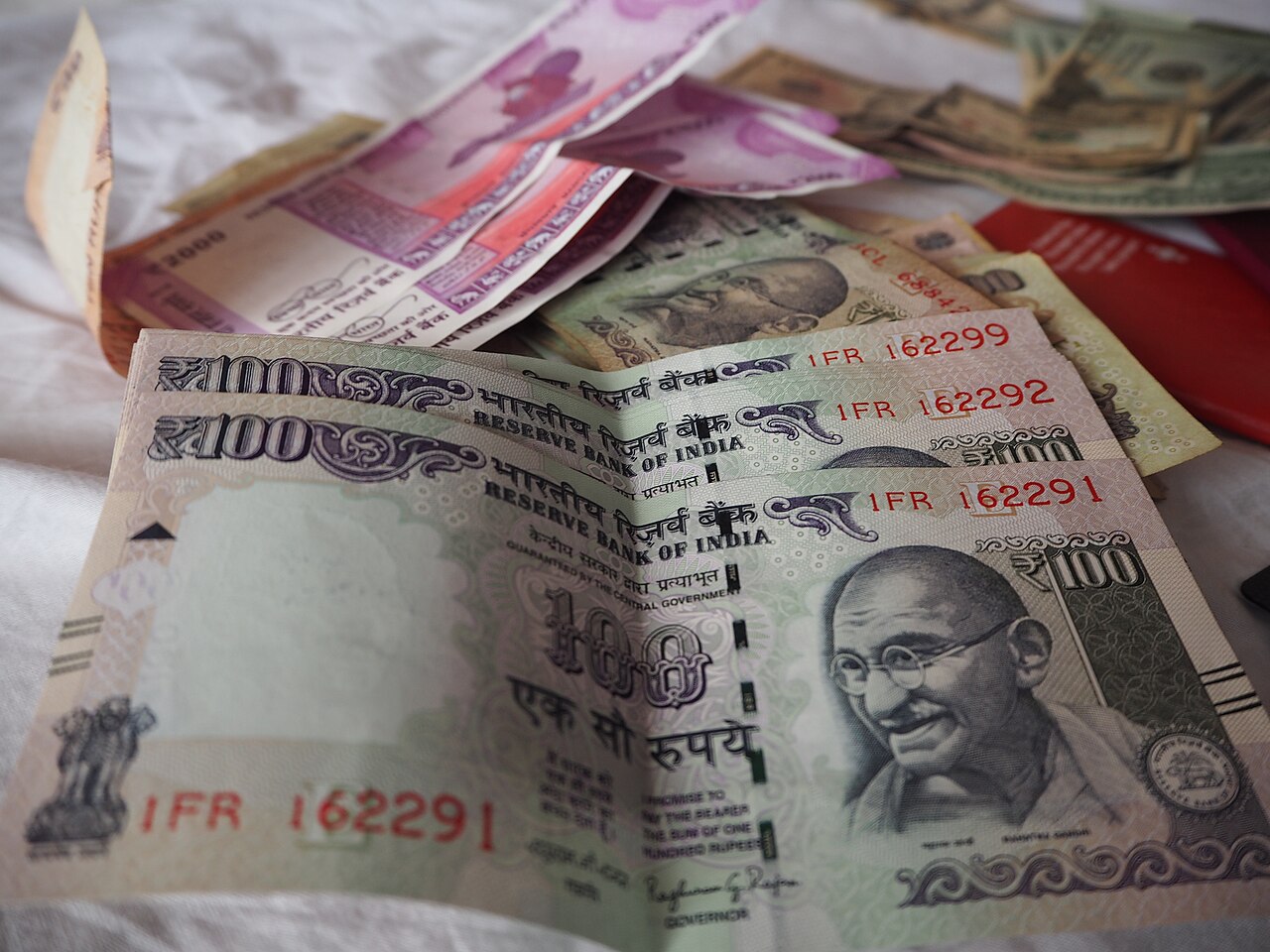
Financial harm: by force, by breach of trust, by deception
वित्तीय क्षति: बल से, विश्वास-भंग से, छल से
By force or fear
बल या भय से
By breach of trust
विश्वास-भंग से
Financial crimes leave paper and data trails but few sensory-motor memories — anchor the probes on the physical acts:
वित्तीय अपराध काग़ज़ी और डेटा निशान छोड़ते हैं पर संवेदी-गतिक स्मृतियाँ कम — प्रोब को भौतिक कृत्यों पर टिकाएँ:
Financial harm: by force, by breach of trust, by deception
वित्तीय क्षति: बल से, विश्वास-भंग से, छल से
By deception
छल से
By digital means
डिजिटल माध्यम से
A scam, not a legal procedure. Report on 1930 · cybercrime.gov.in
यह एक घोटाला है, कोई विधिक प्रक्रिया नहीं। शिकायत: 1930 · cybercrime.gov.in
The act, the trace, and the label
कृत्य, निशान और लेबल
"Crime itself may be considered the social outcome of an action. An act on its own merit may not be a crime."
"अपराध को एक कृत्य का सामाजिक परिणाम माना जा सकता है। कोई कृत्य अपने आप में अपराध नहीं होता।"
C. R. MUKUNDAN — NEUROPSYCHOLOGY OF DESIGNING PROBES
The act, the trace, and the label
कृत्य, निशान और लेबल
What the law records
क़ानून क्या दर्ज करता है
Section, intention, knowledge, punishment. "BNS 103 — murder."
धारा, आशय, ज्ञान, दंड। "धारा 103 — हत्या।"
What the scene records
घटनास्थल क्या दर्ज करता है
Positions, weapon, blood, point of entry, objects missing or moved.
स्थितियाँ, हथियार, रक्त, प्रवेश-बिंदु, ग़ायब या हटाई गई वस्तुएँ।
What the brain records
मस्तिष्क क्या दर्ज करता है
Actions done, things seen and heard, body states, emotions — in the perpetrator's own words.
किए गए कार्य, देखी-सुनी चीज़ें, शरीर की अवस्थाएँ, भावनाएँ — अपराधी के अपने शब्दों में।
Probes are written from the third column, informed by the second — never in the language of the first.
प्रोब तीसरे स्तंभ से लिखी जाती हैं, दूसरे से सूचित — पहले की भाषा में कभी नहीं।
Knowledge check
ज्ञान जाँच
During a sudden quarrel a man strikes another once with a 1 kg iron weight; the other dies. Which section will the defence most likely argue?
अचानक झगड़े में एक व्यक्ति दूसरे पर 1 किलो के लोहे के बाट से एक बार प्रहार करता है; दूसरे की मृत्यु हो जाती है। बचाव पक्ष सबसे संभवतः किस धारा का तर्क देगा?
A sudden fight without premeditation is Exception 4 to section 101, so the act falls to section 105. For the examiner this means the probes must capture the provocation and the single blow — not a plan that may never have existed.
बिना पूर्व-नियोजन अचानक झगड़ा धारा 101 का अपवाद 4 है, इसलिए कृत्य धारा 105 में आता है। परीक्षक के लिए अर्थ: प्रोब उकसावे और एक प्रहार को पकड़ें — ऐसी योजना को नहीं जो शायद कभी थी ही नहीं।
A single blow in a sudden fight points to section 105 (Exception 4 to section 101). Negligence (106) needs no intention at all; grievous hurt (117) needs the person to survive; murder (103) needs the intention or an injury sufficient to cause death.
अचानक झगड़े में एक प्रहार धारा 105 (धारा 101 का अपवाद 4) की ओर संकेत करता है। लापरवाही (106) में कोई आशय नहीं होता; गंभीर चोट (117) में व्यक्ति जीवित रहता है; हत्या (103) में आशय या मृत्यु के लिए पर्याप्त चोट चाहिए।
Forensic psychology & criminal profiling
फोरेंसिक मनोविज्ञान व आपराधिक प्रोफाइलिंग
What the discipline contributes to an investigation, how motive and memory interact, and what Indian courts have held about scientific aids.
यह विषय जाँच में क्या जोड़ता है, उद्देश्य और स्मृति कैसे जुड़ते हैं, और वैज्ञानिक सहायक तकनीकों पर भारतीय अदालतों ने क्या कहा है।
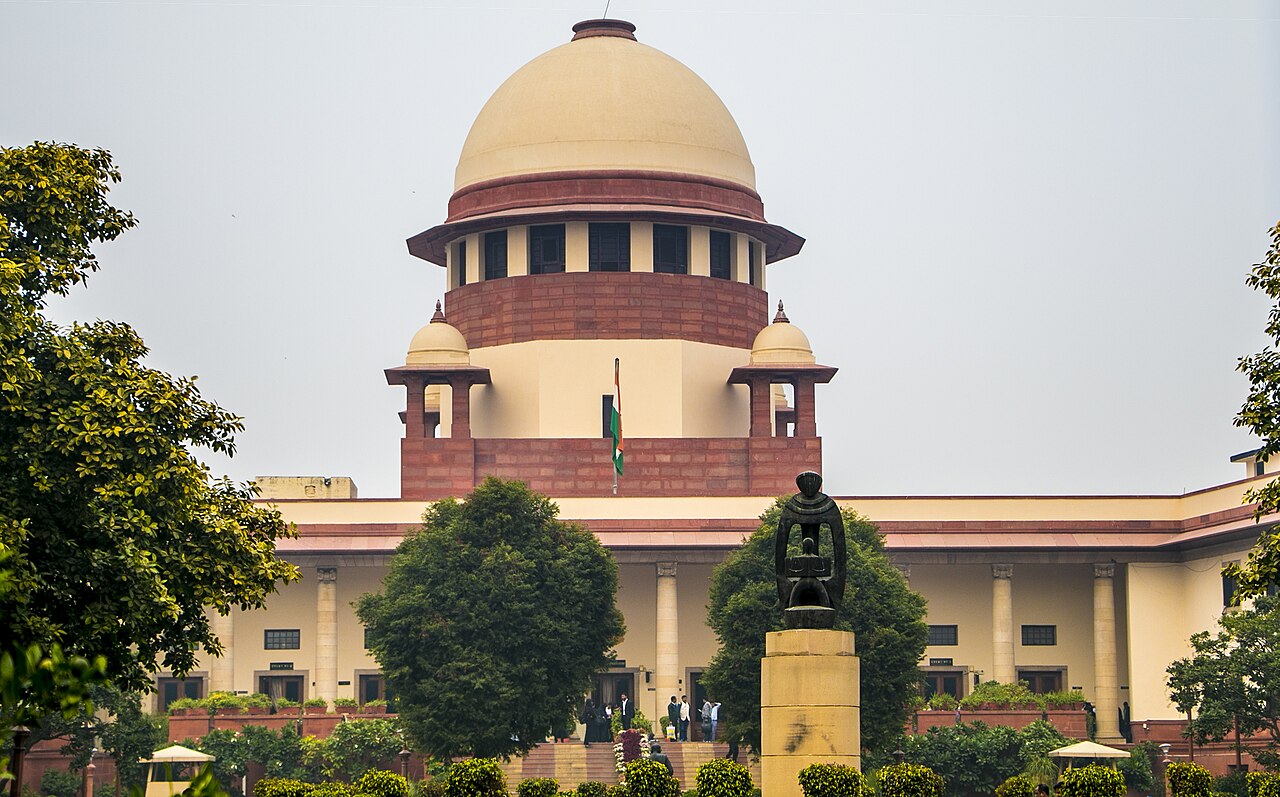
What forensic psychology brings to an investigation
जाँच में फोरेंसिक मनोविज्ञान का योगदान
Credibility assessment
विश्वसनीयता आकलन
Interview, polygraph, BEOS: does the account hold, and does the memory exist?
साक्षात्कार, पॉलीग्राफ, BEOS: क्या बयान टिकता है, और क्या स्मृति मौजूद है?
Offender profiling
अपराधी प्रोफाइलिंग
Behaviour at the scene points to likely characteristics and narrows the suspect pool.
घटनास्थल का व्यवहार संभावित विशेषताओं की ओर संकेत करता है और संदिग्धों का दायरा घटाता है।
Victimology
पीड़ित-विज्ञान
Who the victim was, their routines and relationships — why this person, this place, this time.
पीड़ित कौन था, दिनचर्या व रिश्ते — यही व्यक्ति, यही जगह, यही समय क्यों।
Interviewing & statement analysis
साक्षात्कार व कथन विश्लेषण
Pretest interviews for life history, the suspect's version and their idiom — raw material for controls and Target-B.
जीवन-वृत्त, संदिग्ध का संस्करण और उसकी भाषा-शैली के लिए पूर्व-परीक्षण साक्षात्कार — नियंत्रण व लक्ष्य-B की कच्ची सामग्री।
Expert testimony
विशेषज्ञ साक्ष्य
Reporting under BNSS 329 and deposing under BSA 39 — advisory, reasoned, corroborative.
BNSS 329 के अंतर्गत रिपोर्ट और BSA 39 के अंतर्गत गवाही — सलाहकारी, तर्कसंगत, पुष्टिकारक।
Criminal profiling: from behaviour to characteristics
आपराधिक प्रोफाइलिंग: व्यवहार से विशेषताओं तक
A profile narrows the search. It is never evidence — and it must never be written into a probe as though it were fact.
प्रोफाइल खोज को संकीर्ण करती है। वह कभी साक्ष्य नहीं होती — और उसे तथ्य की तरह प्रोब में कभी न लिखें।
Motive, planning and memory
उद्देश्य, योजना और स्मृति
Planned private acts for personal gain are remembered vividly for years — like other important events in a life.
व्यक्तिगत लाभ के लिए किए गए नियोजित निजी कृत्य वर्षों तक स्पष्ट याद रहते हैं — जीवन की अन्य महत्वपूर्ण घटनाओं की तरह।
Under intense emotion the self merges with the act: the verbal record is thin, but the sensory-motor experience is stored.
तीव्र भावना में 'स्व' कृत्य में विलीन हो जाता है: शाब्दिक रिकॉर्ड पतला, पर संवेदी-गतिक अनुभव संग्रहीत रहता है।
Habitual, repeated acts blur into one another; a serial offender may not remember each offence separately.
आदतन दोहराए कृत्य एक-दूसरे में घुल-मिल जाते हैं; शृंखलाबद्ध अपराधी को हर अपराध अलग से याद न रहे।
Premeditated → probe the planning and the waiting. Impulsive → probe the provocation and the body's actions. Habitual → probe the one episode with a unique context.
पूर्वनियोजित → योजना और प्रतीक्षा को प्रोब करें। आवेगी → उकसावे और शरीर की क्रियाओं को। आदतन → विशिष्ट संदर्भ वाले एक प्रकरण को।
The legal frame for scientific aids in India
भारत में वैज्ञानिक सहायक तकनीकों का विधिक ढाँचा
Selvi v. State of Karnataka
सेल्वी बनाम कर्नाटक राज्य
Narco-analysis, polygraph and brain-based tests cannot be forced. They need informed consent recorded before a Judicial Magistrate under the NHRC guidelines. The result is not evidence by itself; facts discovered with its help may be.
नार्को-विश्लेषण, पॉलीग्राफ और मस्तिष्क-आधारित परीक्षण बलपूर्वक नहीं कराए जा सकते। NHRC दिशानिर्देशों के अंतर्गत न्यायिक मजिस्ट्रेट के समक्ष दर्ज सूचित सहमति आवश्यक। परिणाम स्वयं साक्ष्य नहीं; उसकी सहायता से खोजे तथ्य हो सकते हैं।
Opinions of experts
विशेषज्ञों की राय
Opinions on science, art or "any other field" are relevant facts. The opinion is advisory; its weight rests on the reasons and data furnished. Formerly Evidence Act s.45.
विज्ञान, कला या "किसी अन्य क्षेत्र" पर राय सुसंगत तथ्य है। राय सलाहकारी है; उसका भार दिए गए कारणों और आँकड़ों पर टिका है। पहले साक्ष्य अधिनियम धारा 45।
Reports of Government scientific experts
सरकारी वैज्ञानिक विशेषज्ञों की रिपोर्ट
A report signed by an FSL Director, Deputy or Assistant Director may be used as evidence; the court may summon the expert. Formerly CrPC s.293.
FSL निदेशक, उप या सहायक निदेशक की हस्ताक्षरित रिपोर्ट साक्ष्य के रूप में प्रयोग हो सकती है; अदालत विशेषज्ञ को बुला सकती है। पहले CrPC धारा 293।
Forensic expert at the scene
घटनास्थल पर फोरेंसिक विशेषज्ञ
For offences punishable with seven years or more, a forensic expert must visit the scene and collect evidence, and the process must be videographed. New — no CrPC counterpart.
सात वर्ष या अधिक दंडनीय अपराधों में फोरेंसिक विशेषज्ञ का घटनास्थल पर जाकर साक्ष्य संग्रह और प्रक्रिया की वीडियोग्राफी अनिवार्य। नया प्रावधान — CrPC में कोई समकक्ष नहीं।
Manjit Singh Virdi v. Hussain Mohammed Shattaf
मंजीत सिंह विरदी बनाम हुसैन मोहम्मद शत्ताफ़
Supreme Court (Oka & Bindal JJ.), Crl. Appeal 1399/2023. A psychological evaluation — profiling, polygraph and BEOS — "may not be sufficient to convict an accused but certainly a material piece of evidence." The Bombay High Court's discharge order, which ignored the DFSL report, was set aside and the case sent to trial.
सर्वोच्च न्यायालय (ओका व बिंदल, न्यायमूर्ति), आपराधिक अपील 1399/2023। मनोवैज्ञानिक मूल्यांकन — प्रोफाइलिंग, पॉलीग्राफ और BEOS — "अकेले दोषसिद्धि के लिए पर्याप्त न हो, पर निश्चित रूप से एक महत्वपूर्ण साक्ष्य है।" DFSL रिपोर्ट की अनदेखी करने वाला बॉम्बे उच्च न्यायालय का उन्मोचन आदेश रद्द; मामला विचारण के लिए भेजा गया।
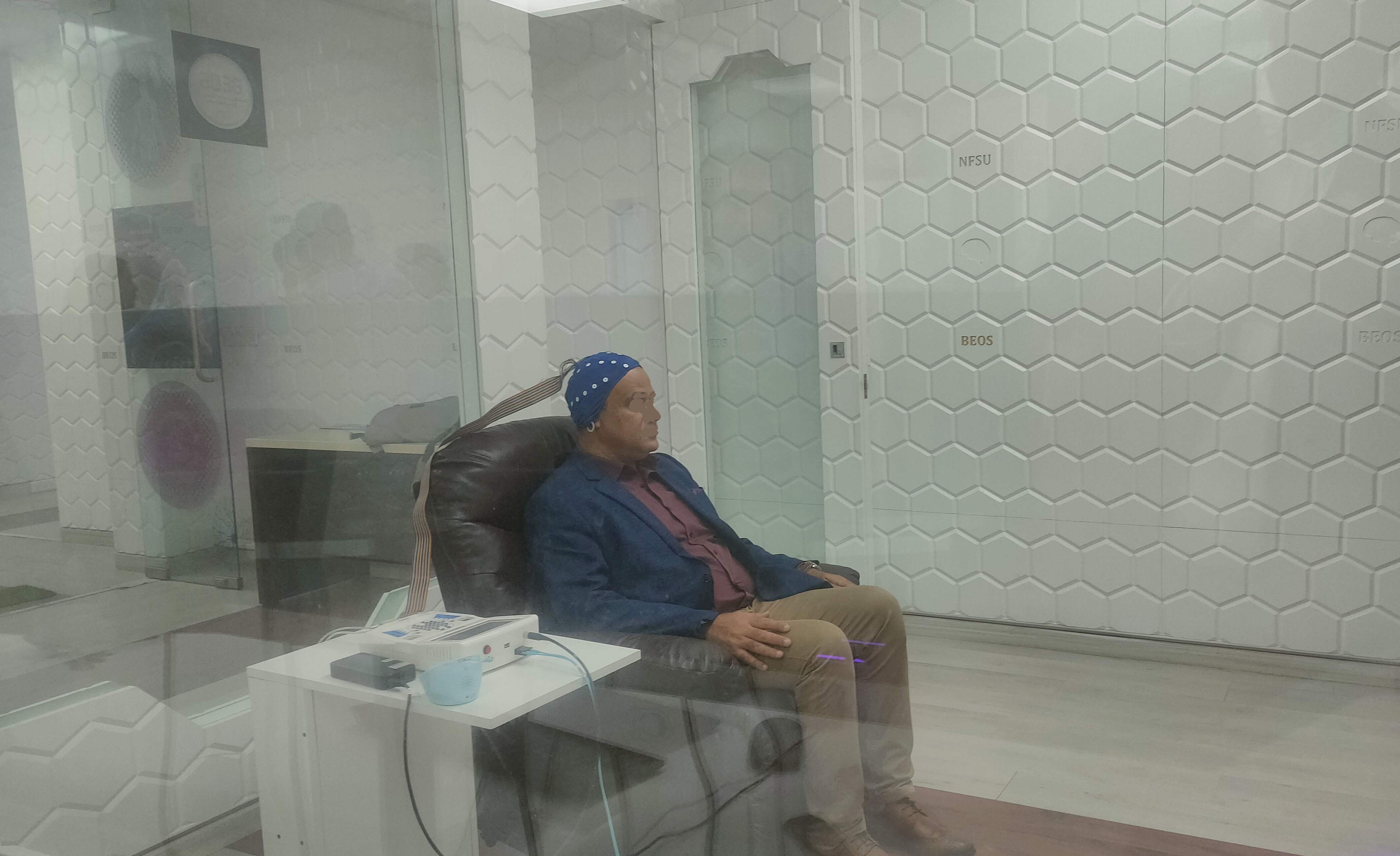
What Indian courts have done with BEOS reports
भारतीय अदालतों ने BEOS रिपोर्टों के साथ क्या किया
Positive and corroborated
सकारात्मक और पुष्ट
Accepted as corroborative evidence — "one of the links in the chain of circumstantial evidence": the salesman, the arsenic prasad, the unpaid driver, the family of five.
पुष्टिकारक साक्ष्य के रूप में स्वीकार — "परिस्थितिजन्य साक्ष्य की शृंखला की एक कड़ी": सेल्समैन, आर्सेनिक प्रसाद, अवैतनिक ड्राइवर, पाँच का परिवार।
Positive, uncorroborated
सकारात्मक, पर अपुष्ट
Acquittal — "not by itself a sufficient circumstance": the revenge attack by the village statue; the family fight after a drunken night.
दोषमुक्ति — "अपने आप में पर्याप्त परिस्थिति नहीं": गाँव की प्रतिमा के पास प्रतिशोधी हमला; नशे की रात के बाद पारिवारिक झगड़ा।
Negative
नकारात्मक
"The purpose might not have been served" — one of the street-dweller killings; the second accused in the village series was later acquitted on appeal.
"उद्देश्य पूरा नहीं हुआ" — फुटपाथ-वासियों की हत्याओं में एक; गाँव की शृंखला का दूसरा अभियुक्त बाद में अपील में दोषमुक्त।
No Indian conviction has rested on BEOS alone.
किसी भी भारतीय दोषसिद्धि का आधार केवल BEOS नहीं रहा।
SOURCE · Puranik, Joseph, Daundkar & Garad, DFSL Mumbai — XX All India Forensic Science Conference, Jaipur, 2009 (ten judgments reviewed)
Court cases as probe-design lessons
अदालती मामले: प्रोब-डिज़ाइन के सबक
The arsenic prasad
आर्सेनिक प्रसाद
A former partner returned to the city two days early, stayed in a lodge under a false name, met the deceased and offered prasad; death by arsenic.
पूर्व-साथी दो दिन पहले शहर लौटी, झूठे नाम से लॉज में रुकी, मृतक से मिली और प्रसाद दिया; आर्सेनिक से मृत्यु।
Lesson: the antecedent scenario — travel, lodge, false name — is as probe-worthy as the act itself.
सबक: पूर्ववर्ती परिदृश्य — यात्रा, लॉज, झूठा नाम — कृत्य जितना ही प्रोब-योग्य है।
The salesman and the locker keys
सेल्समैन और तिजोरी की चाबियाँ
Two co-workers slept in the shop; the senior held the locker keys. One morning he was dead and the junior had vanished.
दो सहकर्मी दुकान में सोते थे; वरिष्ठ के पास तिजोरी की चाबियाँ थीं। एक सुबह वह मृत मिला और कनिष्ठ ग़ायब था।
Lesson: shared routine is a positive control; the deviation — the keys, the locker — is the target.
सबक: साझा दिनचर्या सकारात्मक नियंत्रण है; विचलन — चाबियाँ, तिजोरी — लक्ष्य है।
Court cases as probe-design lessons
अदालती मामले: प्रोब-डिज़ाइन के सबक
Seven street-dweller killings
फुटपाथ-वासियों की सात हत्याएँ
The same method over five months; one BEOS report negative, another positive, each tried separately.
पाँच महीनों तक एक ही तरीक़ा; एक BEOS रिपोर्ट नकारात्मक, दूसरी सकारात्मक, हर मामले की अलग सुनवाई।
Lesson: repeated acts are not remembered one by one. Build each episode from its own unique context.
सबक: दोहराए कृत्य एक-एक करके याद नहीं रहते। हर प्रकरण को उसके अपने विशिष्ट संदर्भ से बनाएँ।
The teacher at the construction site
निर्माण-स्थल पर शिक्षिका
Eight workers referred, four BEOS positive; the reports stayed an investigative aid, and four were convicted on other evidence.
आठ मज़दूर भेजे गए, चार BEOS सकारात्मक; रिपोर्टें जाँच-सहायक रहीं, और चार अन्य साक्ष्य पर दोषी ठहराए गए।
Lesson: one common probe list across suspects separates roles — who entered, who struck, who carried, who watched.
सबक: सभी संदिग्धों को एक ही प्रोब सूची भूमिकाएँ अलग करती है — कौन घुसा, किसने मारा, किसने उठाया, किसने देखा।
CASES ANONYMISED AS IN THE DFSL REVIEW (2009) · मामले DFSL समीक्षा (2009) के अनुसार अनामित
Knowledge check
ज्ञान जाँच
Under Selvi (2010), a BEOS test may be conducted when…
सेल्वी (2010) के अनुसार BEOS परीक्षण तब किया जा सकता है जब…
Consent is the gateway. Selvi held that compelled narco, polygraph and brain tests violate Articles 20(3) and 21; a voluntary test follows the NHRC guidelines, and the result itself is not evidence — though facts discovered later may be.
सहमति ही प्रवेश-द्वार है। सेल्वी ने माना कि बलपूर्वक नार्को, पॉलीग्राफ और मस्तिष्क परीक्षण अनुच्छेद 20(3) और 21 का उल्लंघन हैं; स्वैच्छिक परीक्षण NHRC दिशानिर्देशों का पालन करता है, और परिणाम स्वयं साक्ष्य नहीं — पर बाद में खोजे तथ्य हो सकते हैं।
Neither police custody, a framed charge nor a prior polygraph can substitute for the suspect's informed consent recorded before a Judicial Magistrate. That is the Selvi requirement, and it protects the examiner as much as the subject.
न पुलिस हिरासत, न आरोप तय होना, न पूर्व पॉलीग्राफ — कुछ भी न्यायिक मजिस्ट्रेट के समक्ष दर्ज संदिग्ध की सूचित सहमति का विकल्प नहीं। यही सेल्वी की अपेक्षा है, और यह परीक्षक की भी उतनी ही रक्षा करती है जितनी व्यक्ति की।
Crime scene analysis
घटनास्थल विश्लेषण
Seven steps from cordon to formulation, reading observations into inferences, and the case file we will carry through the rest of the course.
घेराबंदी से सूत्रीकरण तक सात चरण, अवलोकनों से अनुमान तक, और वह केस फ़ाइल जो शेष पाठ्यक्रम में साथ चलेगी।
Crime scene SOP in seven steps
घटनास्थल की मानक प्रक्रिया: सात चरण
Crime scene SOP in seven steps
घटनास्थल की मानक प्रक्रिया: सात चरण
Reading the scene: observations become inferences
घटनास्थल पढ़ना: अवलोकन से अनुमान
Reading the scene: observations become inferences
घटनास्थल पढ़ना: अवलोकन से अनुमान
Every inference stays provisional until it is tested against the alternatives in Module 4. The examples come from the published cases: the septic tank, the canal, the arson, the back of the axe.
हर अनुमान तब तक अस्थायी है जब तक मॉड्यूल 4 में विकल्पों के विरुद्ध परखा न जाए। उदाहरण प्रकाशित मामलों से हैं: सेप्टिक टैंक, नहर, आगज़नी, कुल्हाड़ी का पिछला भाग।
Victimology and the timeline
पीड़ित-विज्ञान और समय-रेखा
Who was the victim?
पीड़ित कौन था?
Routines, relationships, debts and quarrels, what they carried and who knew it. The senior who kept the keys; the driver owed wages; the former partner who had moved away.
दिनचर्या, रिश्ते, क़र्ज़ और झगड़े, वे क्या साथ रखते थे और किसे पता था। चाबियाँ रखने वाला वरिष्ठ; बकाया वेतन वाला ड्राइवर; दूर जा चुकी पूर्व-साथी।
Time by events, never by dates
समय घटनाओं से, तारीख़ से कभी नहीं
The timeline gives the probes their anchors, but people do not remember by dates. Write "the night after the Dussehra holiday" or "the evening the power went out" — never "13 October".
समय-रेखा प्रोब को संकेत-बिंदु देती है, पर लोग तारीख़ों से याद नहीं रखते। लिखें "दशहरे की छुट्टी के बाद वाली रात" या "जिस शाम बिजली गई" — "13 अक्टूबर" कभी नहीं।
Ritual killing: the "sacrifice" is a planned murder
नरबलि: "बलि" एक सुनियोजित हत्या है
Hidden treasure, debt, business
गड़ा धन, क़र्ज़, व्यापार
A tantrik promises buried gold, a revived business or a lottery; the victim is chosen for the ritual.
तांत्रिक गड़े सोने, डूबते व्यापार या लॉटरी का वादा करता है; पीड़ित अनुष्ठान के लिए चुना जाता है।
A childless couple
निःसंतान दंपति
A known child is lured, not snatched; the ritual is said to "transfer" fertility.
परिचित बच्चे को बहलाया जाता है, छीना नहीं; अनुष्ठान से "संतान-प्राप्ति" का दावा।
Illness, long life, "power"
रोग, दीर्घायु, "शक्ति"
For a cure, long life or siddhi; the body may be cut in a prescribed way.
रोगमुक्ति, दीर्घायु या सिद्धि के लिए; शव विधि से काटा जा सकता है।
BNS 103 · 61 · 3(5) + state Acts
BNS 103 · 61 · 3(5) + राज्य अधिनियम
Murder with common intention and conspiracy, plus the Maharashtra (2013) and Karnataka (2017) Acts. Belief is no defence.
सामान्य आशय व षड्यंत्र सहित हत्या, साथ में महाराष्ट्र (2013) व कर्नाटक (2017) अधिनियम। आस्था बचाव नहीं।
Ritual killing: observations become probes
नरबलि: अवलोकन से प्रोब तक
One probe set per role — instigator, beneficiary, hands, helper — with ritual details only a participant could have experienced.
हर भूमिका — उकसाने वाला, लाभार्थी, हाथ, सहायक — के लिए एक प्रोब सेट, ऐसे अनुष्ठान-विवरणों के साथ जिन्हें केवल प्रतिभागी ने अनुभव किया हो।
The godown keys
गोदाम की चाबियाँ
The godown keys
गोदाम की चाबियाँ
Built from two published cases — the salesman and the unpaid driver. Names, places and numbers are invented for teaching.
दो प्रकाशित मामलों — सेल्समैन और अवैतनिक ड्राइवर — से निर्मित। नाम, स्थान और संख्याएँ शिक्षण के लिए काल्पनिक हैं।
Knowledge check
ज्ञान जाँच
In the godown case, which observation most weakens a "planned robbery by outsiders" hypothesis?
गोदाम प्रकरण में कौन-सा अवलोकन "बाहरी लोगों द्वारा नियोजित लूट" परिकल्पना को सबसे अधिक कमज़ोर करता है?
Outsiders need a way in and a way out. No forced entry and a shutter closed from inside point to someone already inside — or let in. The plates and the weight speak to timing and planning, not to access.
बाहरी लोगों को अंदर आने और बाहर जाने का रास्ता चाहिए। ज़बरन प्रवेश न होना और अंदर से बंद शटर किसी पहले से मौजूद — या अंदर बुलाए गए — व्यक्ति की ओर इशारा करते हैं। थालियाँ और बाट समय और योजना बताते हैं, पहुँच नहीं।
The plates (both men ate together), the weight (an object of opportunity) and the CCTV (a time anchor) fit several hypotheses. Access does not: no forced entry and a shutter pulled down from inside is the observation outsiders cannot easily explain.
थालियाँ (दोनों ने साथ खाया), बाट (अवसर की वस्तु) और सीसीटीवी (समय-संकेत) कई परिकल्पनाओं में फिट बैठते हैं। पहुँच नहीं बैठती: ज़बरन प्रवेश न होना और अंदर से गिराया शटर वह अवलोकन है जिसे बाहरी लोग आसानी से नहीं समझा सकते।
Building multiple hypotheses
बहु-परिकल्पनाओं का निर्माण
Why one story is never enough, how to generate alternatives along five dimensions, and how to turn each into something a test can settle.
एक कहानी क्यों कभी पर्याप्त नहीं, पाँच आयामों पर विकल्प कैसे बनाएँ, और हर एक को परीक्षण-योग्य कैसे बनाएँ।
Why several hypotheses, not one
एक नहीं, कई परिकल्पनाएँ क्यों
The first story captures the evidence
पहली कहानी साक्ष्य को क़ैद कर लेती है
Once a version is adopted, every new fact is read to fit it. Confirmation bias is the quiet failure of investigations — and of probe lists written from one version.
एक संस्करण अपनाते ही हर नया तथ्य उसी में फिट कर पढ़ा जाता है। पुष्टि-पूर्वाग्रह जाँच की — और एक ही संस्करण से लिखी प्रोब सूची की — मौन विफलता है।
The test takes two versions, not one
परीक्षण एक नहीं, दो संस्करण लेता है
"If the IO's version is true, the test cannot show the suspect's version to be true, and vice versa." Target-A and Target-B are two hypotheses by design.
"यदि IO का संस्करण सत्य है, तो परीक्षण संदिग्ध का संस्करण सत्य नहीं दिखा सकता, और इसके विपरीत।" लक्ष्य-A और लक्ष्य-B डिज़ाइन से ही दो परिकल्पनाएँ हैं।
Weak formulation, weak probes
कमज़ोर सूत्रीकरण, कमज़ोर प्रोब
A case formulated thinly produces thin scenarios — and an isolated EK response that no neighbouring probe supports, which nobody can interpret.
पतला सूत्रीकरण पतले परिदृश्य देता है — और ऐसा अकेला EK उत्तर जिसे कोई पड़ोसी प्रोब समर्थन नहीं देती, जिसकी व्याख्या कोई नहीं कर सकता।
Generating hypotheses: five dimensions
परिकल्पना निर्माण: पाँच आयाम
A hypothesis is one coherent path through all five. Write at least three — and always the suspect's own.
परिकल्पना पाँचों आयामों से गुज़रता एक सुसंगत पथ है। कम से कम तीन लिखें — और हमेशा संदिग्ध का अपना संस्करण भी।
Hypothesis builder: the godown keys
परिकल्पना निर्माता: गोदाम की चाबियाँ
R dead between the counters · locker open, cash and keys gone · no forced entry · weight with blood · two plates · S missing, bag left, phone off at 23:48 · man with bag on CCTV at 00:20
R काउंटरों के बीच मृत · तिजोरी खुली, नकदी व चाबियाँ ग़ायब · ज़बरन प्रवेश नहीं · ख़ून लगा बाट · दो थालियाँ · S ग़ायब, बैग छूटा, फ़ोन 23:48 से बंद · 00:20 पर सीसीटीवी में बैग वाला आदमी
Select a hypothesis to see what supports it, what contradicts it, and what a BEOS scenario could test.
किसी परिकल्पना को चुनें — देखें क्या उसका समर्थन करता है, क्या विरोध, और BEOS परिदृश्य क्या परख सकता है।
Cash and keys gone; phone switched off; flight toward the bus stand.
नकदी व चाबियाँ ग़ायब; फ़ोन बंद; बस स्टैंड की ओर पलायन।
A weapon of opportunity rather than one brought along; bag and slippers left behind.
साथ लाया हथियार नहीं, अवसर का हथियार; बैग और चप्पलें पीछे छूटीं।
Target-A scenarios: watching where R kept the keys; waiting for him to sleep; picking up the weight; opening the locker.
लक्ष्य-A परिदृश्य: R चाबियाँ कहाँ रखता था यह देखना; उसके सोने की प्रतीक्षा; बाट उठाना; तिजोरी खोलना।
The weight was to hand; the two had eaten together; the bag left behind suggests panic.
बाट हाथ के पास था; दोनों ने साथ खाया था; पीछे छूटा बैग घबराहट दिखाता है।
The phone switched off at 23:48 looks deliberate rather than panicked.
23:48 पर फ़ोन बंद होना घबराहट नहीं, जानबूझकर लगता है।
Target-A: the argument and what was said; the single blow; then, as a separate scenario, the locker.
लक्ष्य-A: बहस और जो कहा गया; एक प्रहार; फिर, अलग परिदृश्य के रूप में, तिजोरी।
S is missing and may have fled from fear rather than guilt.
S ग़ायब है और अपराध-बोध नहीं, डर से भागा हो सकता है।
No forced entry; shutter closed from inside; nothing else in the shop disturbed.
ज़बरन प्रवेश नहीं; शटर अंदर से बंद; दुकान में और कुछ अस्त-व्यस्त नहीं।
Target-A: lifting the shutter for someone; other people in the shop that night; being threatened; watching rather than striking.
लक्ष्य-A: किसी के लिए शटर उठाना; उस रात दुकान में अन्य लोग; धमकी दिया जाना; मारना नहीं, देखना।
A quarrel plausibly explains leaving the shop for the night.
झगड़ा रात को दुकान छोड़ने की व्याख्या कर सकता है।
Two used plates; the phone went off at 23:48, not at ten; a man with a bag at 00:20; bag and slippers still inside.
दो इस्तेमाल की थालियाँ; फ़ोन दस बजे नहीं, 23:48 पर बंद; 00:20 पर बैग वाला आदमी; बैग और चप्पलें अंदर ही।
Target-B: the night bus; reaching the village; who he met on arrival. If Target-A bears out, this scenario should not.
लक्ष्य-B: रात की बस; गाँव पहुँचना; पहुँचकर किससे मिला। यदि लक्ष्य-A सिद्ध हो, तो यह परिदृश्य नहीं होना चाहिए।
Visualising hypotheses as lanes
परिकल्पनाओं को पथों (लेन) के रूप में देखना
Lay the hypotheses side by side: Access and Act separate them; Presence and After barely do. Spend probes where the lanes diverge.
परिकल्पनाओं को अगल-बगल रखें: पहुँच और कृत्य उन्हें अलग करते हैं; उपस्थिति और बाद में लगभग नहीं। प्रोब वहाँ ख़र्च करें जहाँ पथ अलग होते हैं।
Weighing the evidence against each hypothesis
प्रत्येक परिकल्पना के विरुद्ध साक्ष्य तौलना
Weighing the evidence against each hypothesis
प्रत्येक परिकल्पना के विरुद्ध साक्ष्य तौलना
Disconfirming evidence counts most: H2 leads as Target-A with H1 close behind; H0 is written as Target-B.
विरोधी साक्ष्य सबसे अधिक मायने रखता है: H2 मुख्य लक्ष्य-A, उसके पीछे H1; H0 लक्ष्य-B के रूप में लिखी जाती है।
From hypothesis to testable scenario
परिकल्पना से परीक्षण-योग्य परिदृश्य तक
What a scenario can show
परिदृश्य क्या दिखा सकता है
Participation in an action: being present, entering, picking up, striking, opening, carrying, leaving — the sensory and motor experience of taking part.
किसी क्रिया में सहभागिता: उपस्थित होना, प्रवेश करना, उठाना, मारना, खोलना, ले जाना, निकलना — भाग लेने का संवेदी और गतिक अनुभव।
What it cannot
क्या नहीं दिखा सकता
The content of a conversation, intention as a legal state, or guilt. "Experiential knowledge is only that of taking part in the meeting … and not of the details of the exchange."
बातचीत की विषय-वस्तु, विधिक अर्थ में आशय, या दोष। "अनुभवजन्य ज्ञान केवल मुलाक़ात में भाग लेने का है … बातचीत के विवरण का नहीं।"
Knowledge check
ज्ञान जाँच
Target-B probes are designed to test…
लक्ष्य-B प्रोब किसे परखने के लिए बनाई जाती हैं…
Target-B carries the suspect's account. If Target-A, the IO's version, bears out, Target-B should not — and the reverse. Testing both is what makes the result interpretable.
लक्ष्य-B में संदिग्ध का बयान होता है। यदि लक्ष्य-A, यानी IO का संस्करण, सिद्ध हो, तो लक्ष्य-B नहीं होना चाहिए — और इसका उल्टा। दोनों को परखना ही परिणाम को व्याख्या-योग्य बनाता है।
Baseline processing is the job of Neutral probes; verified life events are Positive controls; the IO's formulation is Target-A. Target-B is the account the suspect gives — the alibi, or the lesser role he admits.
आधार-रेखा तटस्थ प्रोब का काम है; सत्यापित जीवन-घटनाएँ सकारात्मक नियंत्रण हैं; IO का सूत्रीकरण लक्ष्य-A है। लक्ष्य-B वह बयान है जो संदिग्ध देता है — बहाना, या वह छोटी भूमिका जो वह स्वीकारता है।
BEOS fundamentals for probe design
प्रोब डिज़ाइन के लिए BEOS के मूल सिद्धांत
Remembrance against knowing, the six stages a probe passes through, the recording window, and why context is everything.
स्मरण बनाम जानना, प्रोब के छह चरण, रिकॉर्डिंग विंडो, और संदर्भ ही सब कुछ क्यों है।
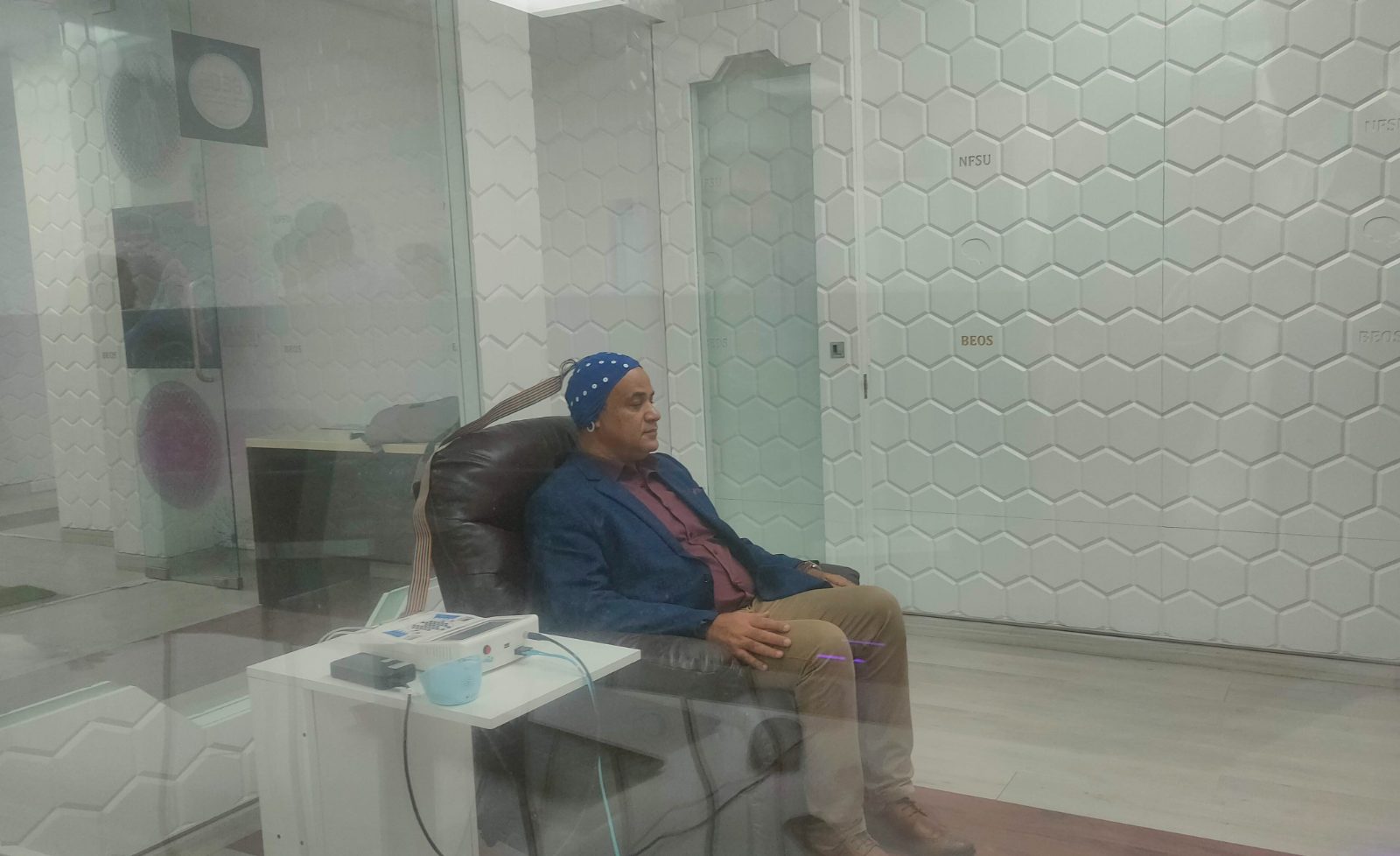
Remembrance is not knowing
स्मरण, जानना नहीं है
An episode with a time, a place and a self inside it. Reliving it recreates imagery, action and emotion — and produces the signature.
Recognition and familiarity. Reading, hearing or watching leaves knowledge — small, fast activation, no signature.
Remembrance is not knowing
स्मरण, जानना नहीं है
An episode with a time, a place and the self inside it. Reliving it re-creates image, action and emotion — and produces the signature.
समय, स्थान और भीतर 'स्व' वाला प्रकरण। उसे पुनर्जीवित करना बिंब, क्रिया और भावना को फिर रचता है — और हस्ताक्षर उत्पन्न करता है।
Recognition and familiarity. Reading, hearing or being shown leaves knowledge — a small, fast activation, no signature.
पहचान और परिचितता। पढ़ना, सुनना या देखना ज्ञान छोड़ता है — छोटी, तेज़ सक्रियता, कोई हस्ताक्षर नहीं।
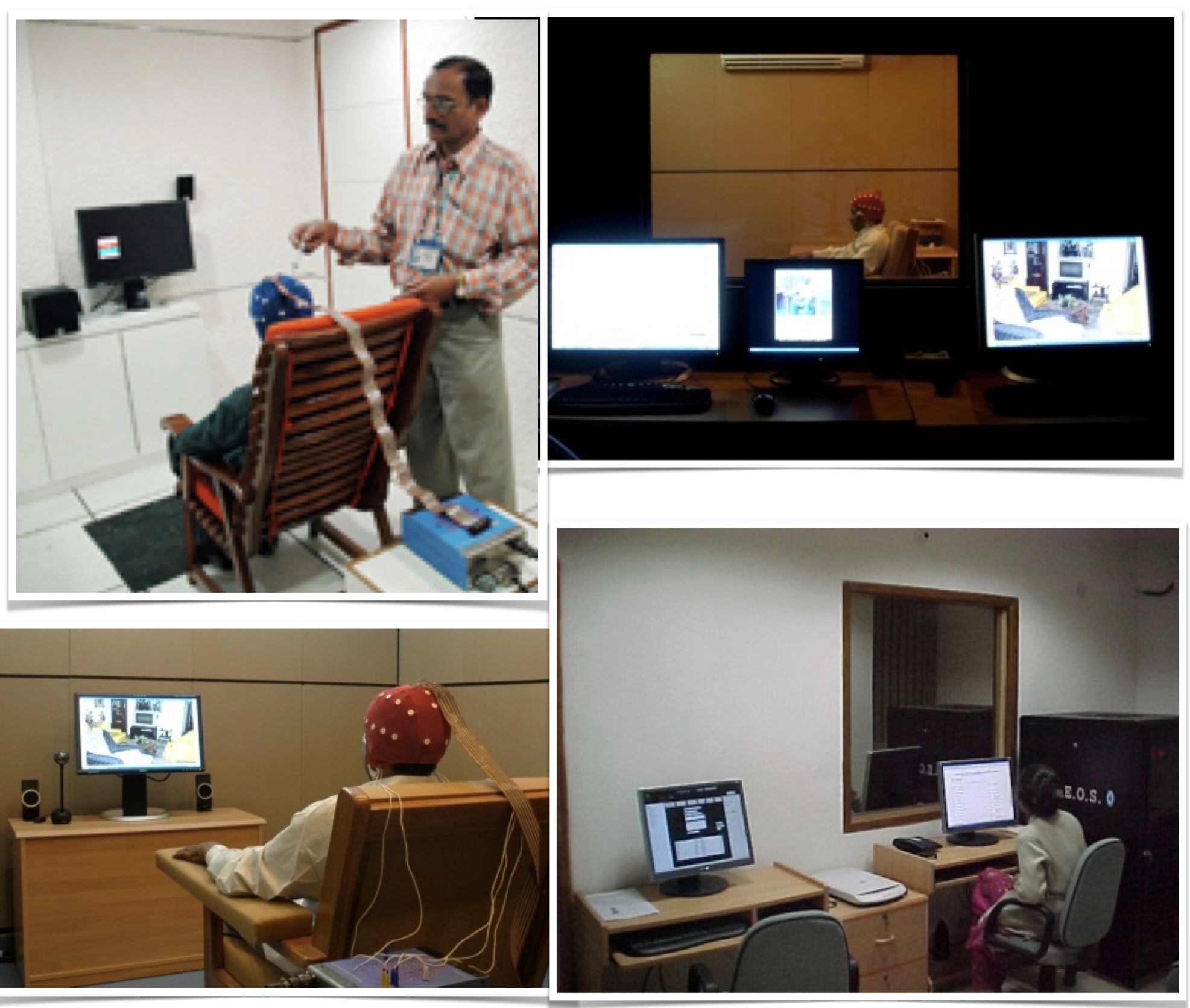
BEOS measures remembrance of experiential knowledge — participation, with its sensory, motor and emotional components — not recognition. Only doing leaves experience.
BEOS अनुभवजन्य ज्ञान के स्मरण को मापता है — संवेदी, गतिक और भावनात्मक घटकों सहित सहभागिता — पहचान को नहीं। केवल करने से अनुभव बनता है।
The probe databank: scenarios, codes, first-person probes
प्रोब डेटाबैंक: परिदृश्य, कोड, उत्तम-पुरुष प्रोब
The databank is laid out as it appears in a BEOS report: neutral and control scenarios first, then the incident, one scenario per hypothesis, and the subject's own version last. Each probe carries the code the system will search for; the RESULT column is filled only after the recording (slide 76).
डेटाबैंक वैसे ही रखा गया है जैसे BEOS रिपोर्ट में दिखता है: पहले तटस्थ और नियंत्रण परिदृश्य, फिर घटना, हर परिकल्पना के लिए एक परिदृश्य, और अंत में विषय का अपना बयान। हर प्रोब पर वह कोड है जिसे सिस्टम खोजेगा; RESULT कॉलम रिकॉर्डिंग के बाद ही भरता है (स्लाइड 76)।
Six stages after a probe is heard
प्रोब सुनने के बाद छह चरण
Stages 1 and 2 happen in everyone who hears the probe. Stages 4 and 5 happen only if the experience exists — and only if the probe carries enough context to reach it. Each epoch is analysed on its own, against its own pre-probe baseline; nothing is averaged across trials.
चरण 1 और 2 हर सुनने वाले में होते हैं। चरण 4 और 5 केवल तब जब अनुभव मौजूद हो — और प्रोब में उस तक पहुँचने लायक संदर्भ हो। हर एपॉक का विश्लेषण अपने आप, अपनी पूर्व-प्रोब आधार-रेखा के विरुद्ध होता है; ट्रायलों का औसत नहीं लिया जाता।
Which experiences are remembered
कौन-से अनुभव याद रहते हैं
Context makes a probe specific
संदर्भ प्रोब को विशिष्ट बनाता है
Time by events
समय घटनाओं से
"The night after the Dussehra holiday", "the evening the power went out" — never a date.
"दशहरे की छुट्टी के बाद वाली रात", "जिस शाम बिजली गई" — तारीख़ कभी नहीं।
Place in detail
स्थान, विस्तार से
Furniture, light, objects, sounds — the material people use to rebuild a visual image.
फ़र्नीचर, रोशनी, वस्तुएँ, आवाज़ें — वह सामग्री जिससे लोग दृश्य बिंब फिर बनाते हैं।
Antecedents and precedents
पूर्ववर्ती और परवर्ती
What led in and what followed. Millions share a time and place; the before-and-after is the person's own.
क्या पहले हुआ और क्या बाद में। लाखों लोग समय और स्थान साझा करते हैं; पहले-बाद का क्रम व्यक्ति का अपना है।
Emotional provocation
भावनात्मक उकसावा
Essential when the act was not premeditated: the insult, the fear, the moment the quarrel turned.
अनियोजित कृत्य में अनिवार्य: अपमान, डर, वह क्षण जब झगड़े ने मोड़ लिया।
Nestled sequence
नेस्टल्ड (गुँथा हुआ) क्रम
Each probe inherits context from the one before, so no probe stands alone and no word floats free.
हर प्रोब पिछली से संदर्भ लेती है, ताकि कोई प्रोब अकेली न रहे और कोई शब्द बिना संदर्भ न तैरे।
Out of context, words such as knife, hide, ran, fire belong to everyone's past. They trigger unrelated memories — random EK that no one can interpret.
संदर्भ के बिना चाकू, छिपना, भागा, आग जैसे शब्द हर किसी के अतीत के हैं। वे असंबंधित स्मृतियाँ जगाते हैं — यादृच्छिक EK, जिसकी व्याख्या कोई नहीं कर सकता।
Knowledge check
ज्ञान जाँच
Which of these is a remembrance probe rather than a knowing statement?
इनमें से कौन-सी स्मरण प्रोब है, जानने का कथन नहीं?
Only this statement puts the subject inside an episode — an action at a specific moment, with motor imagery to look for. "R kept the keys at his waist" is another person's habit: familiarity, unless reframed as "I saw him tie the keys at his waist" (witness recall).
केवल यही कथन व्यक्ति को प्रकरण के भीतर रखता है — एक विशिष्ट क्षण की क्रिया, जिसमें गतिक बिंब खोजा जा सके। "R चाबियाँ कमर पर रखता था" किसी और की आदत है: परिचितता, जब तक उसे "मैंने उसे कमर पर चाबियाँ बाँधते देखा" (साक्षी स्मरण) न बनाया जाए।
"The shop has an iron locker" and "lockers are kept behind the counter" are facts anyone in the market could know; "R kept the keys at his waist" describes another person's habit. Only "I opened the locker with the small key" is an action the subject either lived or did not.
"दुकान में लोहे की तिजोरी है" और "तिजोरियाँ काउंटर के पीछे रखी जाती हैं" ऐसे तथ्य हैं जो बाज़ार में कोई भी जान सकता है; "R चाबियाँ कमर पर रखता था" किसी और की आदत बताता है। केवल "मैंने छोटी चाबी से तिजोरी खोली" ऐसी क्रिया है जिसे व्यक्ति ने या तो जिया या नहीं।
Probe types and mapping hypotheses to probes
प्रोब के प्रकार और परिकल्पना से प्रोब तक मानचित्रण
Four probe groups, the codes the system reads, ten writing rules, a worked list for the godown case — and three exercises to practise on.
प्रोब के चार समूह, सिस्टम द्वारा पढ़े जाने वाले कोड, लेखन के दस नियम, गोदाम प्रकरण की एक तैयार सूची — और अभ्यास के लिए तीन एक्सरसाइज़।
Four groups of probes
प्रोब के चार समूह
Neutral
तटस्थ
Plain semantic content, no personal reference, no imagery: "2 + 2 = 4", "the river flows". They give the processing baseline removed from every other response.
केवल अर्थ, कोई व्यक्तिगत संदर्भ, कोई बिंब नहीं: "2 + 2 = 4", "नदी बहती है"। ये वह आधार-रेखा देती हैं जो हर अन्य उत्तर से घटाई जाती है।
Control
नियंत्रण
Positive: verified, significant life events — EK expected. Negative: events known not to have happened — no EK expected. Together they validate the test in this person.
सकारात्मक: सत्यापित, महत्वपूर्ण जीवन-घटनाएँ — EK अपेक्षित। नकारात्मक: ऐसी घटनाएँ जो हुई ही नहीं — EK अपेक्षित नहीं। दोनों मिलकर इस व्यक्ति में परीक्षण को प्रमाणित करते हैं।
Target-A
लक्ष्य-A
The investigating officer's formulation: scenarios before, during and after the act, as the suspect is believed to have lived them. Hypotheses, not facts — EK here guides further investigation.
जाँच अधिकारी का सूत्रीकरण: कृत्य से पहले, दौरान और बाद के परिदृश्य, जैसा संदिग्ध ने जिया माना जाता है। परिकल्पनाएँ, तथ्य नहीं — यहाँ EK आगे की जाँच को दिशा देता है।
Target-B
लक्ष्य-B
The suspect's version: the alibi, or the smaller role admitted. Verified independently by the team and tested so that only one of the two target sets can bear out.
संदिग्ध का संस्करण: बहाना, या स्वीकार की गई छोटी भूमिका। टीम द्वारा स्वतंत्र रूप से सत्यापित और इस तरह परखा कि दोनों लक्ष्य-सेटों में से केवल एक सिद्ध हो।
Controls validate every single test
नियंत्रण प्रोब हर परीक्षण को प्रमाणित करते हैं
Where controls come from
नियंत्रण प्रोब कहाँ से आती हैं
The pretest interview — childhood, parents and siblings, marriage, occupation, medical history — verified against the IO and family. Significant events only, never casual ones; and never another person's life events.
पूर्व-परीक्षण साक्षात्कार — बचपन, माता-पिता व भाई-बहन, विवाह, व्यवसाय, चिकित्सा इतिहास — IO और परिवार से सत्यापित। केवल महत्वपूर्ण घटनाएँ, साधारण नहीं; और किसी और की जीवन-घटनाएँ कभी नहीं।
Confirmed facts double as controls
पुष्ट तथ्य भी नियंत्रण का काम करते हैं
Uncontested facts inside the Target scenarios — the suspect's job, the shared routine — validate too, and can be shown to the subject afterwards to demonstrate that the findings are real.
लक्ष्य परिदृश्यों के भीतर निर्विवाद तथ्य — संदिग्ध की नौकरी, साझा दिनचर्या — भी प्रमाणित करते हैं, और बाद में व्यक्ति को दिखाए जा सकते हैं कि निष्कर्ष वास्तविक हैं।
A scenario is an episode of actions
परिदृश्य कार्यों का एक प्रकरण है
A meeting with the deceased
मृतक से एक मुलाक़ात
Needs: time as an event, the place and its furniture, who else was present and why, dress if significant, the transaction as the IO hypothesises it, any provocation. Tests that the meeting happened — not what was said.
चाहिए: घटना के रूप में समय, स्थान और उसका फ़र्नीचर, और कौन था और क्यों, पहनावा यदि महत्वपूर्ण हो, लेन-देन जैसा IO मानता है, कोई उकसावा। परखता है कि मुलाक़ात हुई — न कि क्या कहा गया।
Training in an explosives camp
विस्फोटक शिविर में प्रशिक्षण
Establish presence first: the camp's visual details, the journey, the place. Only then the training — names of explosives, the kind of blasts. If the subject has been to one camp, even approximate details evoke it.
पहले उपस्थिति स्थापित करें: शिविर के दृश्य विवरण, यात्रा, स्थान। फिर प्रशिक्षण — विस्फोटकों के नाम, धमाकों का प्रकार। यदि व्यक्ति एक ही शिविर गया है, तो अनुमानित विवरण भी उसे जगा देते हैं।
A scenario is an episode of actions
परिदृश्य कार्यों का एक प्रकरण है
An assault on a woman alone at home
घर में अकेली महिला पर हमला
Tested only after the relationship and other activities are tested. Then: time and context of entry, whether she was alone, how he was greeted, the rooms, the first actions, the assault in detail, how he left.
संबंध और अन्य गतिविधियाँ परखने के बाद ही। फिर: प्रवेश का समय और संदर्भ, क्या वह अकेली थी, स्वागत कैसे हुआ, कमरे, पहले कार्य, हमला विस्तार से, वह कैसे निकला।
One scenario per time and context. Draft the probes in sequence, discuss the drafts in a team, keep the total within the subject's attention span, and test only what needs to be verified.
हर समय और संदर्भ के लिए एक परिदृश्य। प्रोब क्रम से लिखें, मसौदों पर टीम में चर्चा करें, कुल संख्या व्यक्ति के ध्यान-काल के भीतर रखें, और केवल वही परखें जिसे सत्यापित करना आवश्यक हो।
Mapping the godown case: hypotheses → scenarios → probe groups
गोदाम प्रकरण का मानचित्रण: परिकल्पना → परिदृश्य → प्रोब समूह
Mapping the godown case: hypotheses → scenarios → probe groups
गोदाम प्रकरण का मानचित्रण: परिकल्पना → परिदृश्य → प्रोब समूह
S-A1 and S-A2 separate H1 from H2; S-A3 is shared by both and confirms the act. If a second person is suspected, the same list is presented to both — the pattern of EK across scenarios separates their roles.
S-A1 और S-A2 H1 को H2 से अलग करते हैं; S-A3 दोनों में साझा है और कृत्य की पुष्टि करता है। यदि किसी दूसरे व्यक्ति पर संदेह हो, तो वही सूची दोनों को सुनाई जाती है — परिदृश्यों में EK का पैटर्न उनकी भूमिकाएँ अलग करता है।
Probe codes tell the system what to look for
प्रोब कोड सिस्टम को बताते हैं कि क्या खोजना है
The code is the examiner's hypothesis about what the probe will trigger; the system searches for that pattern, and the code cannot be changed once the probe has been presented.
कोड परीक्षक की परिकल्पना है कि प्रोब क्या जगाएगी; सिस्टम उसी पैटर्न को खोजता है, और प्रोब प्रस्तुत हो जाने के बाद कोड बदला नहीं जा सकता।
Ten rules for writing a probe
प्रोब लिखने के दस नियम
Ten rules for writing a probe
प्रोब लिखने के दस नियम
A worked probe list: the locker
एक तैयार प्रोब सूची: तिजोरी
"R was lying near the counter" — not "R's body". The probe describes what was seen, without the conclusion the investigator has already drawn.
"R काउंटर के पास पड़ा था" — "R का शव" नहीं। प्रोब वह बताती है जो देखा गया, जाँचकर्ता के निकाले निष्कर्ष के बिना।
"A cloth bag" — if the IO is unsure whether it was a cloth bag or the shoulder bag, the alternative becomes its own probe, placed without breaking the sequence.
"कपड़े का थैला" — यदि IO को संदेह हो कि कपड़े का थैला था या कंधे का बैग, तो विकल्प अपनी अलग प्रोब बनता है, क्रम तोड़े बिना।
"My hands were shaking" — a state probe inside an action sequence. It is coded PSR, so the system does not look for imagery it cannot find.
"मेरे हाथ काँप रहे थे" — क्रिया-क्रम के भीतर एक अवस्था-प्रोब। इसे PSR कोड मिलता है, ताकि सिस्टम ऐसा बिंब न खोजे जो मिल ही नहीं सकता।
In H1 the sequence is preceded by S-A1 (watching the keys, waiting); in H2 by S-A2 (the quarrel). The locker list is shared — the probes before it decide which hypothesis the EK supports.
H1 में इस क्रम से पहले S-A1 (चाबियों पर नज़र, प्रतीक्षा) आता है; H2 में S-A2 (झगड़ा)। तिजोरी की सूची साझा है — उससे पहले की प्रोब तय करती हैं कि EK किस परिकल्पना का समर्थन करता है।
A worked probe list: the locker
एक तैयार प्रोब सूची: तिजोरी
Probe wording checker
प्रोब शब्दावली जाँचक
A teaching heuristic. The examiner's judgment and a team review decide the final wording.
एक शिक्षण-सहायक अनुमान। अंतिम शब्दावली परीक्षक का निर्णय और टीम समीक्षा तय करती है।
Six rules will be checked as you type: first person, length, judgmental words, one idea, no dates, a statement. A probe code will be suggested from the verb.
लिखते ही छह नियम जाँचे जाएँगे: प्रथम पुरुष, लंबाई, निर्णयात्मक शब्द, एक विचार, कोई तारीख़ नहीं, कथन। क्रिया के आधार पर प्रोब कोड सुझाया जाएगा।
Nestled-probe sequencer: the quarrel
नेस्टल्ड-प्रोब अनुक्रमक: झगड़ा
Scenario S-A2. Drag the probes, or use the arrows, so that each one follows from the last: the words → the feeling → the object → the action → what was seen → afterwards.
परिदृश्य S-A2। प्रोब को खींचें, या तीरों का प्रयोग करें, ताकि हर प्रोब पिछली से जुड़े: शब्द → भावना → वस्तु → क्रिया → जो देखा गया → उसके बाद।
Every probe in place. Two conversation probes set the provocation, a state probe carries the emotion, two action probes carry the blow, a visual probe records its effect, and two closing probes settle the moment before the locker.
हर प्रोब अपनी जगह। दो वार्तालाप-प्रोब उकसावा रखती हैं, एक अवस्था-प्रोब भावना ढोती है, दो क्रिया-प्रोब प्रहार, एक दृश्य-प्रोब उसका प्रभाव दर्ज करती है, और दो समापन-प्रोब तिजोरी से पहले के क्षण को ठहराती हैं।
Gold rows are in the right position; red rows are not. There is one defensible order here — in a real case the suspect's own narration decides it.
सुनहरी पंक्तियाँ सही स्थान पर हैं; लाल नहीं। यहाँ एक ही तर्कसंगत क्रम है — वास्तविक मामले में संदिग्ध का अपना वर्णन इसे तय करता है।
Probe-type mapping quiz
प्रोब-प्रकार मानचित्रण प्रश्नोत्तरी
{{ quizExpl }}
{{ quizExplHi }}
{{ quizExpl }}
{{ quizExplHi }}
Groups decide what a probe is for; codes decide what the system looks for. Both are set before the recording and cannot be changed after.
समूह तय करते हैं कि प्रोब किसलिए है; कोड तय करते हैं कि सिस्टम क्या खोजे। दोनों रिकॉर्डिंग से पहले तय होते हैं और बाद में बदले नहीं जा सकते।
The scenario design checklist — one sheet per scenario
परिदृश्य डिज़ाइन जाँच-सूची — हर परिदृश्य के लिए एक पत्रक
The scenario design checklist — one sheet per scenario
परिदृश्य डिज़ाइन जाँच-सूची — हर परिदृश्य के लिए एक पत्रक
ADAPTED FROM THE SUBJECT EXAMINATION PROTOCOL · NEUROPSYCHOLOGY OF DESIGNING PROBES (MUKUNDAN) · PROBES CARRY NO VALUE JUDGMENTS, CONCLUSIONS OR INFERENCES
Before the recording: consent, interviews, disclosure
रिकॉर्डिंग से पहले: सहमति, साक्षात्कार, प्रकटीकरण
Consent — before the case is accepted
सहमति — केस स्वीकार करने से पहले
Brief with the IO
IO से ब्रीफ़िंग
Interview the suspect
संदिग्ध का साक्षात्कार
Verify the facts
तथ्यों का सत्यापन
Before the recording: consent, interviews, disclosure
रिकॉर्डिंग से पहले: सहमति, साक्षात्कार, प्रकटीकरण
Draft and review
मसौदा और समीक्षा
Record the probes
प्रोब रिकॉर्ड करें
Disclose and instruct
प्रकटीकरण और निर्देश
Reading the results back into the hypotheses
परिणामों को परिकल्पनाओं में वापस पढ़ना
Consistency across nestled probes
नेस्टल्ड प्रोब में संगति
EK that recurs along a scenario, and from scenario to scenario in sequence, is what carries forensic weight.
जो EK परिदृश्य भर में, और क्रम से परिदृश्य-दर-परिदृश्य दोहराता है, वही फोरेंसिक भार रखता है।
An isolated EK is a direction
अकेला EK एक दिशा है
Design a follow-up test that elaborates what that probe points to. Analyse why this probe, and this one alone, fired.
उस दिशा को विस्तार देने वाला अनुवर्ती परीक्षण बनाएँ। विश्लेषण करें कि यही प्रोब, और केवल यही, क्यों चली।
Opposed A and B: only one should bear out
विरोधी A और B: केवल एक सिद्ध हो
If both show EK, the scenarios may belong to different times — or the formulation needs another look.
यदि दोनों में EK दिखे, तो परिदृश्य अलग समयों के हो सकते हैं — या सूत्रीकरण को फिर देखना होगा।
One list, several suspects, different roles
एक सूची, कई संदिग्ध, भिन्न भूमिकाएँ
The same probes to everyone involved; the pattern of EK across people separates who did what.
सभी संलिप्त लोगों को वही प्रोब; लोगों के बीच EK का पैटर्न अलग करता है कि किसने क्या किया।
The report is corroborative. It is tendered under BNSS 329, weighed under BSA 39, and — as every Indian judgment so far has held — never the sole basis of a conviction.
रिपोर्ट पुष्टिकारक है। यह BNSS 329 के अंतर्गत प्रस्तुत होती है, BSA 39 के अंतर्गत तौली जाती है, और — जैसा अब तक हर भारतीय निर्णय ने माना है — कभी दोषसिद्धि का एकमात्र आधार नहीं।
Knowledge check
ज्ञान जाँच
A suspect shows EK on one isolated Target-A probe and nothing on the nestled probes around it. The right next step is…
एक संदिग्ध में एक अकेली लक्ष्य-A प्रोब पर EK दिखता है और उसके आसपास की नेस्टल्ड प्रोब पर कुछ नहीं। सही अगला क़दम है…
An isolated EK is a direction, not a finding. Forensic weight comes from consistency across nestled probes, so the next test elaborates that direction with new, unrepeated probes.
अकेला EK दिशा है, निष्कर्ष नहीं। फोरेंसिक भार नेस्टल्ड प्रोब में संगति से आता है, इसलिए अगला परीक्षण उस दिशा को नई, बिना दोहराई प्रोब से विस्तार देता है।
One probe cannot carry a conclusion either way, and repetition within a session is never allowed. The isolated EK becomes the hypothesis for a new set of nestled probes.
एक प्रोब किसी भी ओर निष्कर्ष नहीं ढो सकती, और सत्र के भीतर दोहराव कभी स्वीकार्य नहीं। अकेला EK नई नेस्टल्ड प्रोब के सेट की परिकल्पना बनता है।
From the crime to the probe
अपराध से प्रोब तक
Sources: C. R. Mukundan, Neuropsychology of Designing Probes and BEOS Probe Design (Axxonet); Puranik et al., BEOS in India — its status as seen from judgments (DFSL Mumbai); BNS, BNSS and BSA 2023; Selvi v. State of Karnataka (2010). Case File 01 is a fictional composite. Photographs via Wikimedia Commons — P. David (CC BY-SA 4.0), Tony Webster (CC BY-SA 4.0), Subhashish Panigrahi (CC BY-SA 4.0), adbh266 (CC BY-SA 4.0), Jensflorian (CC BY-SA 4.0), Monito (CC BY 2.0); illustrative only, not of the cases described.
स्रोत: सी. आर. मुकुंदन, Neuropsychology of Designing Probes व BEOS Probe Design (Axxonet); पुराणिक आदि, BEOS in India (DFSL मुंबई); BNS, BNSS व BSA 2023; सेल्वी बनाम कर्नाटक राज्य (2010)। केस फ़ाइल 01 एक काल्पनिक समग्र प्रकरण है।

 Knowledge Series · Training Moduleज्ञान शृंखला · प्रशिक्षण मॉड्यूलConfidential · Controlled Copyगोपनीय · नियंत्रित प्रति